Home Lab
Home Lab
-

Message Grid
Message Grid runs on Matrix Synapse, an open-source "homeserver" implementation of the Matrix protocol. It lets you run your own secure, decentralized communication node for encrypted instant messaging, VoIP, and video calls.
🌐 Decentralised: Connects to the broader Matrix federated network, allowing users on your server to chat with people on other servers.
🔒️ End-to-End Encrypted: Secures messages, files, and calls so only the intended participants can read or hear them.
iOS🏠️️ Self-Hosted: Can be deployed locally or on a cloud server using native packages or container tools like Docker.
We use Message Grid with Element X for Android and Element X for iPhone, providing family and friends with secure, truly end-to-end encrypted messaging for text and media, ensuring Big Tech remains out of our personal business.
-
System Monitors
Message Grid powers my website contact form and my System Monitors on my home servers.
When a visitor completes the form online, less than a second after submitting the form, I get a DM in Element via Message Grid.
Uptime Kuma monitors my Homelab's servers, NAS's, databases, ad-blocker availability, website uptimes, security camera status etc.) running on my local and DC servers checking ping times and service availability. The moment a service goes down or becomes unresponsive, a notification is sent via Message Grid to a dedicated Room in the Element App.
-

Immich
Immich is a self-hosted photo (and video) library. Think Google Photos, but hosted on your own infra.
Configured to backup photos and videos from my devices, Immich provides a rich, UI with very similar features to Google Photos and Apple Photos.
Again, self-hosting this means personal family photos and videos are not sent to Big Tech for their use. Your private family moments remain private, but you get all the features (and more!) of Google Photos on your own infrastructure.
-

DNS & Ad Blocking
I have a network-wide ad blocker (Pi Hole) and a local DNS server (Unbound).
This means all DNS resolution is done locally. Where there is no local DNS record, a DoH (DNS over HTTPS) query is made to the DNS root servers (bypassing the likes of Cloudflare 1.1.1.1 and Google 8.8.8.8) to resolve the requested domain name.
Pi Hole provides solid network-wide ad blocking, telemetry blocking and malware protection. Blocking ads on most of our steaming devices and services, iOS and Android games and all web pages, across all local and VPN connected devices on the network.
-

VPN
Running your own VPN is a fantastic addition to any Homelab.
Our VPN lets us connect to the home network whne we're out and about; from friends houses, pubs, restaurants or public WiFi, like shops and airports.
This not only provides access to the Homelab, it directs all DNS queries and network traffic through the local network DNS Server and Ad Blocker, so we can enjoy ad free internet access when out and about too.
This allows us to take full advantage of all free WiFi, but remain 100% secure and private, all the time.
-

ADS-B Station
Use FlightRadar24?
I have a dedicated ADS-B 1090 MHz antenna mounted on the roof of the house, connected to an ADS-B receiver (built on a Raspberry Pi) mounted in the loft.
This setup feeds aircraft location and transponder data for around 90% of the UK, most of Ireland and even some of the Netherlands; direct to FlightRadar 24 and AirNav Radar, 24 hours a day, every day.
-

AIS Station
Have you ever used Vessel Finder or Marine Traffic?
Living on the coast provides an excellent opportunity to capture the VHF AIS radio signals from ships and other vessels.
I have a dedicated AIS receiver station in the roof (built on a Raspberry Pi), connected 24/7, which feeds three AIS Hubs with shipping location data for the North Sea.
-

SMS Grid
SMS Grid is a part of the Messaging Grid of tools I've developed.
Developers can simply request an API Key, send a HTTP request to SMS Grid and have an SMS message on the way in seconds to any UK mobile number.
This is a closed service at the moment.
-

Mail Grid
Like SMS Grid, Mail Grid is part of the Messaging Grid of tools I've developed.
Developers can provide HTML mail templates, request an API Key, and make a quick HTTP request to Mail Grid and have a beautifully formatted email sent immediately.
This is a closed service at the moment.
-
FlashCache
An API Datastore for Software Engineers; a simple, fast and always-available datastore for software engineers.
Designing and building Data Access Layers (DAL's) for proof of concepts or short term projects can be time-consuming and hacky.
FlashCache provides a simple REST API to store and retrieve data quickly, reliably and the 30-day lifecycle rules means your old data is cleared down automatically for you.
All data is stored in a PostgreSQL database and is encrypted at rest.
-
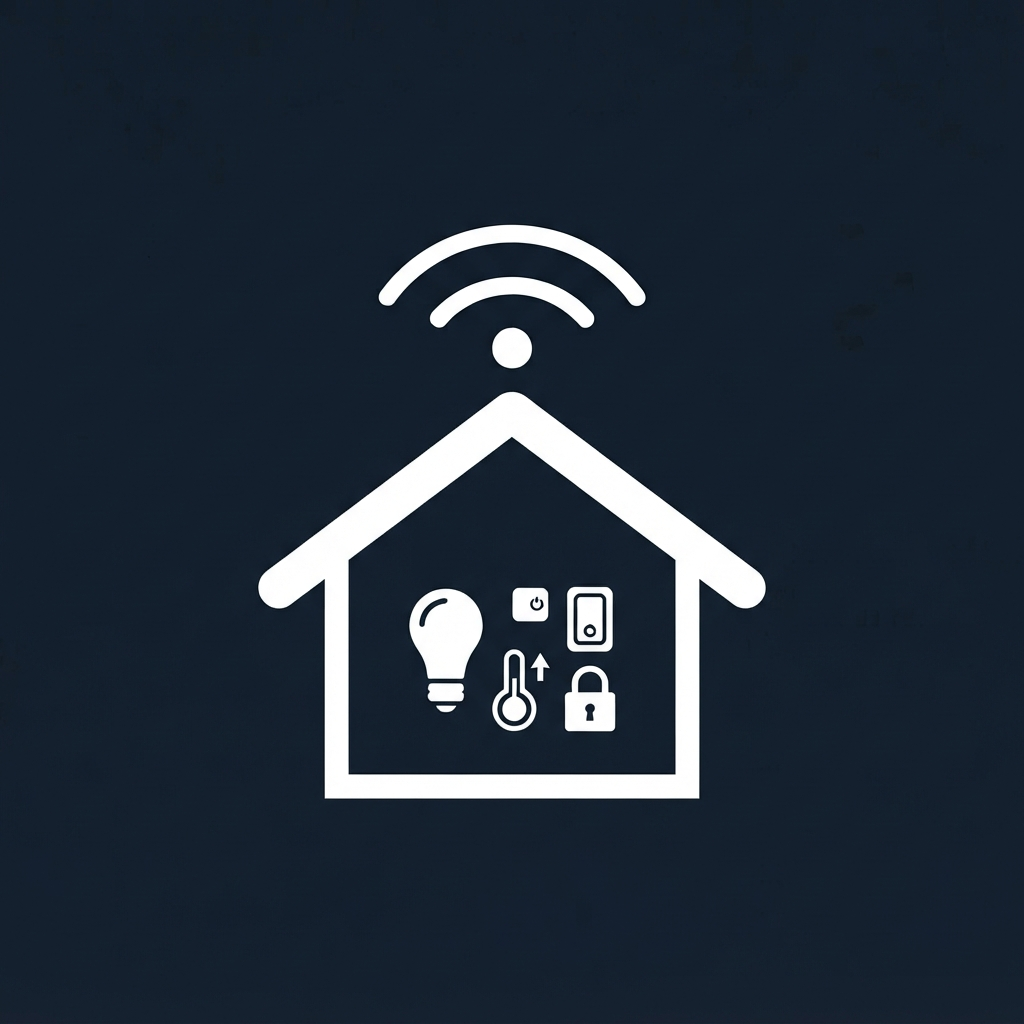
Home Automation
Running Home Assistant means we can automate all the mundane tasks like turning off the bathroom light 27 times a day after the kids.
Other useful automations like having lights flash when the doorbell rings so you hear it over your music and turning on fans when the room reaches a certain temperature is also really useful.
This is something my son has got into in a big way, connecting various API's via his Stream Deck to control lights, fans and smart switches around the house.
-
NAS
Our homelab NAS provides a central, private place for backups, shared files and documents, accessible across the network or securely over VPN.
It also handles automated backups, file syncing and other self-hosted services, giving us more control over our data without relying on any external cloud providers.
Running OpenMediaVault, on a Raspberry Pi 5, with connected SSDs, I can quickly add more storage, RAID or hot-swap existing disks where needed.