The UK Online Safety Act: Why Your Privacy is the Real Price of "Safety"
We’ve all seen the headlines promising a "safer internet" for our children. It sounds like a great cause, and on the surface, the UK Online Safety Act (OSA) was sold as a digital shield. To protect our children from the big bad internet. But as the dust settles in 2026, the reality for the average person is much more concerning.
What was marketed as protection has turned into a massive, mandatory collection of your most private data.
From uploading your passport to facial scans just to access standard websites, the government has essentially created a digital paper trail for every adult in Britain. The "safety" we were promised is increasingly looking like a privacy nightmare.
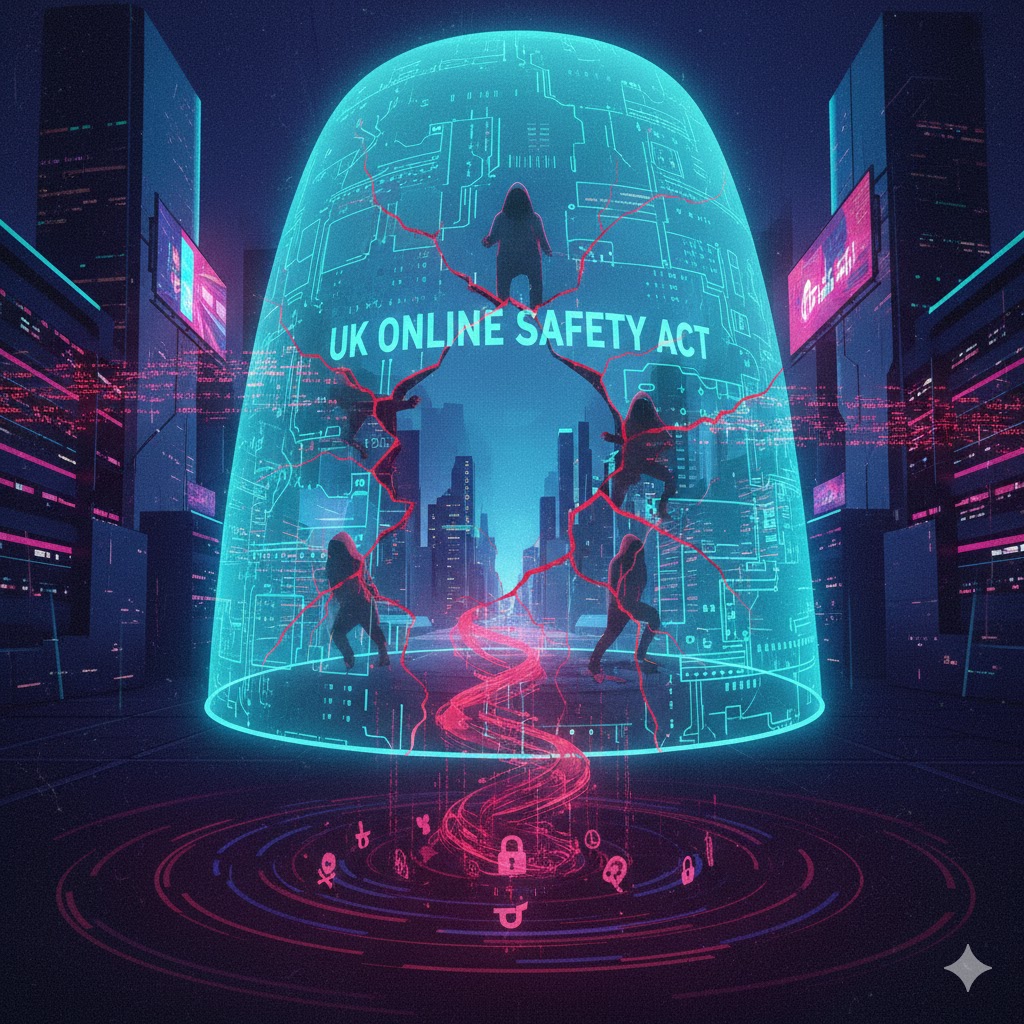
The Digital Honey Pot: Mass Data Collection and Dark Web Risks
To "verify" your age and identity, the Act forces websites to collect highly sensitive information. This isn't just your email address anymore; we're talking about government IDs, credit card details, and biometric facial data.
When thousands of websites are forced to hold this "digital gold" they become massive targets for hackers.
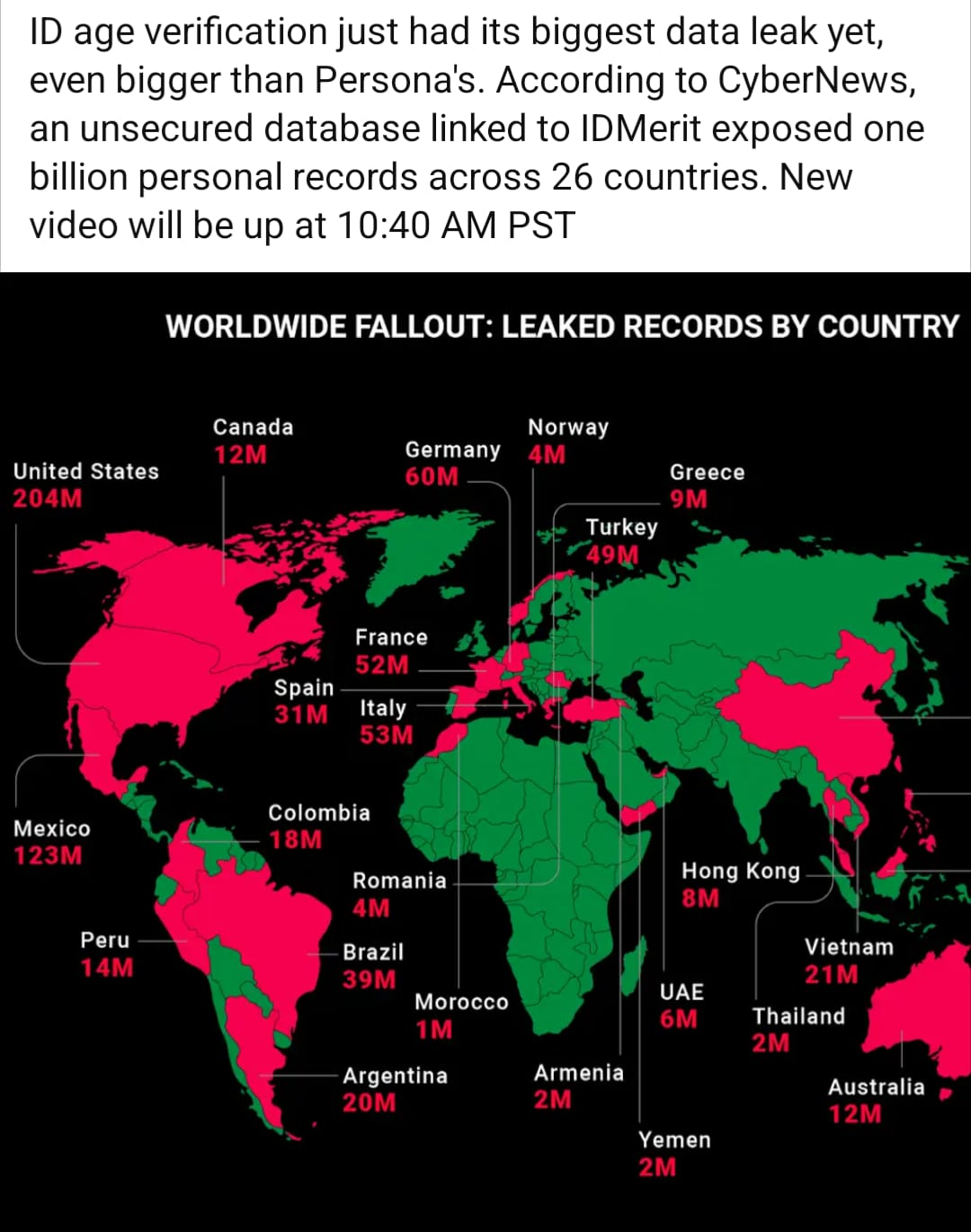
History has shown us that no database is unhackable. Recent reports have already highlighted the dangers, such as the massive leak involving Discord’s third-party verification partners, where the ID documents of over 2 million users were exposed. Once this data is stolen, it doesn't just vanish. It is sold on the Dark Web to identity thieves who can use your face and your ID to open bank accounts, take out loans, or blackmail you.
The Great Bypass: How the "Protected" are Moving to the Shadows
The irony of the Online Safety Act is that it hasn't stopped the very people it was supposed to "protect" or restrict. Instead of making the internet safer, it has simply pushed users into the digital shadows. Tech-savvy teens and privacy-conscious adults are now flocking to VPNs (Virtual Private Networks) and the Tor browser.
- VPNs: These tools allow users to "tunnel" out of the UK, making it look like they are browsing from a different country where these restrictive laws don't apply.
- Tor: Often called the "Onion Router," this software bounces your connection through multiple layers of encryption, making you almost invisible to the government and your Internet Provider.
By forcing these restrictions, the government hasn't made content disappear; they’ve just taught an entire generation how to use advanced tools to hide their tracks—making it even harder for the police and law enforcement to track the real criminals.
The Ofcom Verdict: A Costly Failure?
The latest data from Ofcom tells a sobering story.
Despite the millions of pounds spent and the massive inconvenience to law-abiding folk, the success of the Act is highly questionable. Research indicates that while millions of UK residents are now being forced through "age gates," a significant percentage of users have simply opted to bypass them using the methods mentioned above.
Even more damning, Ofcom’s own reports show that public trust is at an all-time low. Only about 24% of people believe these measures actually protect children, while nearly 70% are worried about their personal data being leaked. We have traded our fundamental right to privacy for a system that is easily bypassed by those it aims to restrict.
Final Thoughts: Think of the Children!
The Online Safety Act might have good intentions, but its execution has created a playground for cybercriminals and a headache for everyone else.
When the people stop believing National Security and Terrorism lines, the roll our the children excuses.
I have children and they are educated about the risks online, people, sites and content. We have level headed conversations about this and they ask questions and we answer honestly. They're on a secure home network with ad blocking, private DNS, firewalls, web proxy's and VPN's. Their internet safety is taken seriously and a balance is struck at the same time so as not to encroach on their privacy and their internet freedom.
I was at my kids' school a couple of weeks ago for an Internet Safety Day. Aimed to teach parents and children about online safety. During the time there, I heard nothing about what the internet has given us and how great the internet is (or was), it was all about the negative side of the internet and total praise for the UK OSA. Teachers and (most) parents are totally sucked into this, they see it as a light at the end of the tunnel for online safety; when in fact, that light is an oncoming train heading for a data and privacy train wreck!
What was especially interesting was that when my child wrote down "VPN" as an App they used, the looks we received.
The UK OSA has branded these tools as bad, dangerous and used only to bypass the measures the government is bringing in to "protect our children". When in truth, these tools provide privacy, security and protection from mass data harvesting by advertisers and data brokers.
When did parents stop being parents in this country?
In truth, it never has been - and never will be about the children - it's about data collection, mass surveillance, tracking and monitoring of everyone and what better excuse to collect personal ID from everyone online (make no mistake, this is coming for AI, Search Engines and connectivity to the internet) than to claim they need to know you are old enough to access age-gated content.
When the UK rejected the Digital ID for the second time - this system was in the shadows - forcing ID for all major services online which will later be replaced with a Digital ID.
You know, in all of this - nobody has mentioned one of the biggest problems of all. Advertisers and Data Brokers! These people and companies are the lowest of the low and they deliberately target both children and adults alike with products and services they think you'll like from the data they have collected from you, most of the time, without you even knowing!
Whilst the UK OSA has been engineered and built to look like it is protecting children, the platforms have been built on to the existing Digital ID infrastructure and are in fact there to target adults in a mass surveillance program.